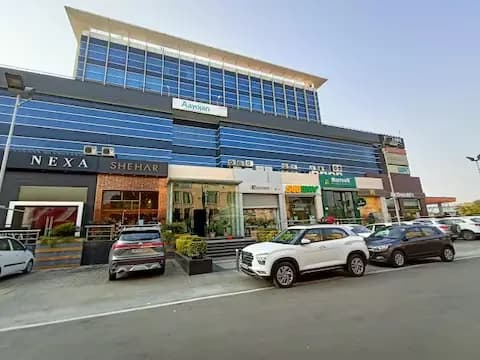
There is a particular kind of energy around a bus stand. People arriving, people leaving, people waiting and in that waiting, they buy things. Tea, snacks, phone top-ups, medicines, bags, clothes. Bus stands in mid-sized Indian cities are not just transit points. They are, in a quiet but unmistakable way, economic engines. And in Hisar, that engine runs consistently.
So if you have been eyeing a shop for sale near Bus Stand Hisar, you are not imagining the opportunity. It is real. But understanding what you are actually buying the footfall pattern, the realistic rent yield, the price bracket, and the risks no one mentions that is what this article is about.
Why the Bus Stand Hisar Area Matters for Commercial Investment
Hisar is not a small town trying to grow. It is a tier-2 city in Haryana with a functioning economy built around steel, textiles, agriculture, and increasingly, trade. The city sits at the crossroads of National Highway 9 and NH 52, with state highways branching off in multiple directions. That connectivity is not just useful for residents it is the underlying logic for why commercial property near the Hisar bus stand holds its value.
The Haryana Roadways bus stand in Hisar is one of the busiest in the state. Buses run to Delhi, Rohtak, Chandigarh, Sirsa, Fatehabad, and dozens of smaller towns and villages. Daily passenger volume runs into the thousands local commuters, students, daily wage workers, traders, families. That is not occasional footfall. That is a steady, repeating crowd.
For a shop owner, this crowd translates into something concrete: consistent walk-in customers who are either killing time before a bus or arriving in Hisar for the first time and need something immediately. Both are buyers.
What Commercial Property Near Hisar Bus Stand Actually Looks Like
The area around the bus stand is not monolithic. There is a difference between a shop on the main road facing the terminal, a shop inside a commercial complex 200 metres away, and a unit on the connecting road toward Model Town or Sector 15. Each has a different footfall profile.
Ground floor, main road frontage near the bus stand commands the highest prices and the highest rents. These are typically small-to-medium units — anywhere from 150 sq ft to 500 sq ft priced between Rs 25 lakh and Rs 75 lakh depending on exact location, construction quality, and whether the road is a high-street thoroughfare.
Properties slightly set back — say, in a commercial lane 100 to 200 metres from the main terminal gate tend to be priced lower, often Rs 15 lakh to Rs 40 lakh for comparable sizes. The footfall is lower, but the rent-to-price ratio sometimes works out better for the investor.
There are also SCO (Shop-cum-Office) units in nearby sectors and housing board commercial complexes, such as the ones on Sirsa Road and near Sector 14, that offer bigger spaces at more institutional pricing — but these are a different product altogether.
Rent Yield: What Numbers Are Realistic Here
This is where many buyers make their first mistake. They see a quote, assume the yield is healthy, and move on. The actual math requires a moment.
A 300 sq ft shop near Hisar bus stand on a good road might sell for around Rs 35-50 lakh. Current rental rates in the area for comparable units range from Rs 8,000 to Rs 20,000 per month, depending on the exact spot, visibility, and whether the shop is ground floor.
Take a mid-range example: a shop bought for Rs 40 lakh, rented at Rs 12,000 per month. That is Rs 1,44,000 annually. Divided by Rs 40 lakh, the gross rental yield is approximately 3.6 percent per year. That is lower than, say, a fixed deposit. But commercial properties near high-footfall transit zones tend to appreciate steadily. The real return is often the combination — moderate yield plus capital gain over 5 to 10 years.
In Hisar's bus stand commercial zone, capital appreciation has been real. Prices have moved meaningfully over the past decade, driven partly by infrastructure upgrades, the expansion of the city, and growing urban retail demand. That said, this is not a metro city. Expectations need to be calibrated to a tier-2 reality — which is to say, steady and reliable rather than dramatic.
How to Evaluate a Shop Before Buying: A Practical Walk-Through
Start by standing outside the property at different times of the day. Morning rush the first buses departing. Afternoon lull. Evening, when return commuters pack the area. You are not just counting people. You are assessing whether the foot traffic converts. A shop facing a wall or sitting behind another commercial unit will see people walk past without stopping, even if the street outside is crowded.
Next, check the road width and parking. The GT Road and connecting arteries near the Hisar bus stand are reasonably wide, but some internal lanes are narrow. A shop where customers cannot even stop a vehicle briefly is a harder sell for many businesses.
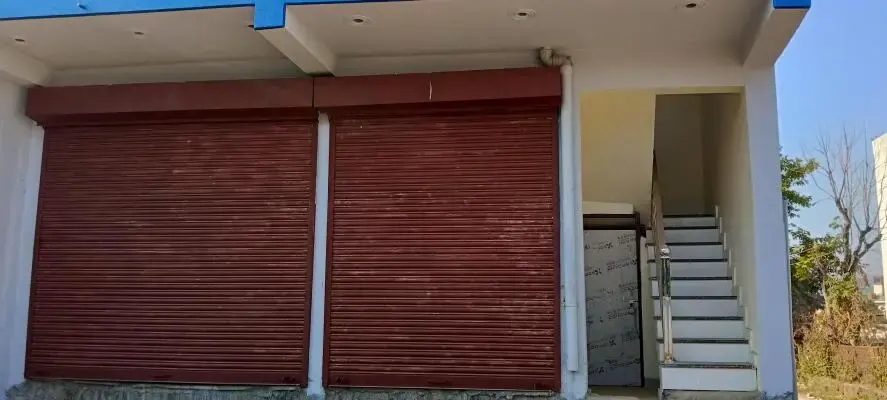
Then check the legal documentation. Verify the title deed, check for any encumbrances or loans against the property, and confirm the property's commercial use classification in municipal records. Hisar's municipal corporation records are increasingly digitised, and a local property lawyer can verify these details within a day or two. Do not skip this step. Even in a well-known commercial zone, title disputes are not uncommon in older buildings.
Also confirm: is the shop in a building that has an occupancy certificate? This affects your ability to rent it to certain businesses, and it matters if you ever want to sell.
Common Mistakes Buyers Make in This Market
The most frequent one is treating all bus stand area properties as equally valuable. They are not. A 50-metre difference in position between a shop directly facing the main gate versus one around the corner can mean a 20 to 30 percent difference in actual commercial value.
Second, buyers often negotiate only on price and forget to negotiate on possession timeline, included fixtures, and pending utility dues. A shop that looks clean on paper sometimes carries months of unpaid electricity bills or an informal tenancy arrangement the seller hopes to offload.
Third, and this is subtle: some buyers over-capitalise on renovation before verifying tenant demand. In a transit-heavy zone like this, functionality beats aesthetics. A simple, clean, well-lit shop rents faster than an over-designed one at a higher ask.
Pro Tips for Smarter Investment Near Bus Stand Hisar
Talk to the existing tenants or nearby shopkeepers before you talk to the seller. They will tell you things the seller will not like whether the road floods in monsoon, whether there is a drainage issue behind the shops, or whether a competing commercial development is coming up nearby.
Consider the type of business the shop is suited for. Bus stand adjacent shops tend to work well for pharmacies, snack counters, mobile repair, courier and logistics counters, travel agencies, and fast food. If a space is on the fourth floor of a building with no lift, it is effectively not bus stand footfall you are buying into.
If you are buying as a pure investment to lease out, try to get a sense of the prevailing market rent from at least three different sources a local broker, an online portal listing, and a direct conversation with a nearby tenant. The gap between these three numbers will tell you a lot about how reliable the quoted figures are.
Closing Thoughts
Buying a shop near Bus Stand Hisar is not a glamorous investment in the way that, say, Gurugram commercial property gets talked about. But it is a grounded one. The footfall is structural, not speculative. The city is growing, and transit points tend to be anchored by that growth rather than disrupted by it.
The key is to go in with clear eyes check the exact position, run the yield math honestly, verify the paperwork, and speak to the people who already do business there. The opportunity is real. Whether a specific property is the right one for your situation depends on the details.
FAQs
What is the average price range for a shop near Bus Stand Hisar?
Ground floor shops in prime positions near the bus stand typically range from Rs 25 lakh to Rs 75 lakh for units between 150 and 500 sq ft. Prices vary significantly based on road frontage, building age, and exact proximity to the terminal gate.
What kind of rental yield can I expect from a commercial shop in this area?
Gross rental yield in the Hisar bus stand commercial zone generally falls between 3 percent and 5 percent annually. Higher yields are sometimes possible on smaller units rented to high-demand businesses like pharmacies or fast food counters.
Which businesses tend to do best in bus stand adjacent shops in Hisar?
Pharmacies, snack and food counters, mobile phone and accessories shops, luggage and bag stores, travel agencies, and courier service points tend to see strong demand in transit-adjacent zones.
What legal checks should I do before buying a commercial shop here?
Verify the title deed and ensure there are no encumbrances or active loans. Confirm the property's commercial use classification with Hisar municipal records. Check for an occupancy certificate and clear any pending utility bills before registration.
Is the Hisar commercial property market growing?
Hisar's commercial property market has shown steady appreciation over the past decade, supported by the city's industrial base, improving road connectivity, and rising urban retail demand. It is a stable, gradual market rather than a high-growth speculative one.
How do I assess footfall before buying a shop near Hisar bus stand?
Visit the property at multiple times of day — morning, afternoon, and evening. Speak to nearby shopkeepers about daily customer patterns. Check whether the shop has direct visibility from the main road or is hidden behind other structures.